


To effectively slash your electric bill, focus on optimizing heating/cooling (like adjusting thermostats and sealing air leaks), reducing water heating costs (like using cold laundry cycles), and upgrading lighting and appliances (switching to LEDs and ENERGY STAR-rated devices). These methods can reduce usage by 10–40%, saving hundreds annually.
That’s exactly what the 19 tips below are built around. Instead of throwing random “save energy” advice at you, this list targets the biggest bill drivers first: thermostat control and airflow leaks, hot water habits, always-on electronics, and the way you schedule high-watt appliances. I’ll go through them one by one so you can start with the easiest changes today, then move into upgrades like LEDs, smart plugs, and ENERGY STAR options when you’re ready.
1. Adjust the Thermostat
Setting your thermostat 7 to 10 degrees higher in summer or lower in winter for at least eight hours a day can cut your annual heating and cooling costs by up to ten percent. Heating and cooling are usually the largest energy expenses in a home, so even small adjustments make a noticeable difference.
Programmable and smart thermostats help maintain consistent settings throughout the day without requiring manual changes.
2. Unplug Idle Electronics
Electronics and appliances continue to draw power when turned off. This standby consumption is often called “vampire load” and can account for up to ten percent of a household’s electricity use.
Unplug items that are not in use, group devices on power strips, or use smart plugs that automatically cut power when devices are idle.
3. Reduce Hot Water Use
Water heating uses a significant amount of energy. You can reduce this cost by shortening showers, using cold water for laundry, and lowering your water heater temperature to around 120 degrees Fahrenheit.
Repairing leaky faucets and using efficient showerheads also helps reduce unnecessary hot water use.
4. Run Appliances During Off‑Peak Hours
Many utility companies offer lower rates during off‑peak times such as late evening or early morning. Running high‑energy appliances like washing machines and dishwashers during these hours can lower your monthly bill.
Use built‑in delay timers or scheduling features to shift usage without changing your routine.
5. Air‑Dry Clothes and Dishes
Dryers and dishwasher heat‑dry settings consume large amounts of electricity. Air‑drying clothes when possible and turning off the heat‑dry setting on your dishwasher can noticeably reduce energy use.
6. Track Your Energy Use
Keeping an energy diary or using a kilowatt meter helps identify which appliances use the most electricity. Monitoring actual consumption allows you to focus on the habits and devices that impact your bill the most.
This step also makes it easier to decide where to invest in upgrades later.
7. Limit Standby Power
Gaming consoles, televisions, computers, and routers often remain in standby mode unless fully powered off. Turning them off completely when not needed prevents continuous energy draw throughout the day.
8. Run Full Appliance Loads
Dishwashers and washing machines use the same amount of energy whether they are full or half full. Running them only when full helps reduce total cycles and cuts unnecessary energy and water use.
9. Use Smart Plugs
Smart plugs help control appliances and electronics automatically. They cut power to devices that are not in use, which reduces standby consumption.
They also allow you to schedule usage directly from a phone or home automation system.
10. Install a Smart Thermostat
Smart thermostats learn your schedule, adjust temperatures when you are away, and help avoid wasteful heating and cooling. This upgrade alone can reduce annual energy costs by about ten percent.
11. Switch to LED Lighting
LED bulbs use up to seventy‑five percent less electricity than incandescent bulbs and last far longer. Replacing older bulbs with LEDs throughout the home can save the average household around two hundred twenty‑five dollars each year.
12. Use Ceiling Fans
Ceiling fans help with air circulation and reduce the load on your cooling and heating system. In warmer months, they create a cooling effect that allows you to raise the thermostat without losing comfort. In cooler months, reversing the fan direction helps distribute warm air more evenly.
13. Seal Windows and Doors
Small gaps around windows, doors, and baseboards allow conditioned air to escape. Sealing these areas with caulk or weatherstripping improves indoor temperature control and reduces the strain on heating and cooling systems.
14. Improve Insulation
Adding or upgrading insulation in attics, basements, and walls helps keep your home at a stable temperature. Better insulation reduces how often your heating or cooling system needs to run, lowering electricity consumption.
15. Install Dimmer Switches and Motion Sensors
Dimmer switches let you reduce lighting levels when full brightness is not necessary. Motion‑activated lights prevent energy waste in rooms that are often left lit unintentionally, such as hallways and garages.
16. Check for Duct Leaks
Leaky ductwork reduces the efficiency of heating and cooling systems. Sealing and insulating ducts ensures that warmed or cooled air reaches the intended rooms without loss.
17. Upgrade to ENERGY STAR Appliances
ENERGY STAR‑certified appliances use less electricity than standard models. When it is time to replace a refrigerator, washing machine, dishwasher, or HVAC unit, choosing an efficient model can cut long‑term operating costs significantly.
18. Use Utility Rebates and Incentives
Many utility companies offer rebates for buying efficient appliances, improving insulation, or installing smart thermostats. These incentives help offset the cost of upgrades and speed up return on investment.
The ENERGY STAR Rebate Finder can help you locate available programs in your area.
19. Schedule a Home Energy Audit
A home energy audit identifies the areas where your home loses energy and the improvements that will have the most impact. Many utility providers offer audits for low or no cost.
Audits give personalized recommendations to reduce electricity waste based on your home’s layout and condition.
Additional Tips for Seasonal Energy Savings

Electricity use often increases during extreme weather seasons. These adjustments help control costs throughout the year.
In Winter
- Lower the thermostat slightly and wear layered clothing indoors.
- Let sunlight in during the day by opening curtains on south-facing windows.
- Close curtains and blinds at night to retain indoor warmth.
- Use draft blockers at the base of doors to prevent cold air from entering.
In Summer
- Keep blinds or curtains closed during the hottest part of the day.
- Avoid using the oven; opt for stovetop or microwave cooking.
- Run ceiling fans to improve air circulation and reduce the need for air conditioning.
- Set your air conditioner to the highest comfortable temperature and use a programmable thermostat to manage cooling cycles.
Tips for Renters and Homeowners
Electricity-saving opportunities vary depending on your living situation. Here are methods that match different types of households.
Renters
- Use LED bulbs, smart plugs, and portable fans.
- Avoid running large appliances during peak hours.
- Seal drafts with removable door and window seals.
- Track usage with smart power strips or plug-in energy meters.
- Focus on behavior-based savings and portable solutions.
Homeowners
- Invest in insulation and air sealing.
- Install ceiling fans and smart thermostats.
- Upgrade old HVAC systems or appliances when needed.
- Schedule professional energy audits to identify structural inefficiencies.
- Take advantage of rebates for major efficiency improvements.
Useful Devices That Can Help You Save
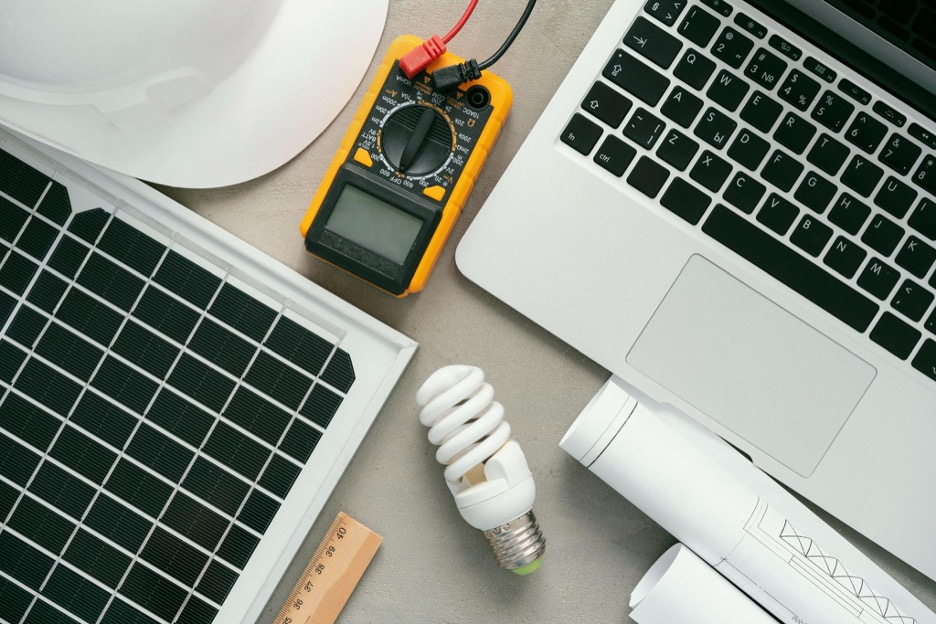
Smart devices make it easier to control and reduce your electricity use — and now, even your financial waste.
- Smart thermostats: Automatically adjust temperature settings based on schedules or room activity. These can reduce heating and cooling costs by up to 10% annually.
- Smart plugs: Shut off idle devices and track usage through connected apps, eliminating vampire loads.
- Smart power strips: Detect when electronics are not in use and cut power accordingly, preventing constant energy drain.
- Motion sensor switches: Turn lights on and off automatically in less-used spaces like bathrooms, closets, or garages.
- Solar-powered outdoor lighting: Eliminates the need for wired exterior lights and charges during the day, perfect for eco-conscious lighting.
AI-powered subscription managers like Chargeback go beyond energy, they help you detect and cancel unwanted subscriptions automatically. From streaming services to hidden free trials, Chargeback cuts recurring charges you might not even realize you’re still paying for, no passwords, no calls, no hassle.
If you’re already automating your home to save electricity, automating your finances is the next step to simplifying your spending and cutting financial clutter.
Use Local Rebates and Energy Incentives
Before making any upgrade, check for rebates or discounts available in your area. Many utility providers and state energy programs offer money-back incentives for:
- Smart thermostat installations
- ENERGY STAR-certified appliances
- Insulation and duct sealing improvements
- Lighting upgrades
You can find local programs using the ENERGY STAR Rebate Finder, which lists active offers by zip code.
Some utilities also provide free energy-saving kits or discounted home audits. Contact your provider to ask about available options.
Start Lowering Your Electric Bill Today
Begin with the simple steps that cost nothing, such as adjusting your thermostat, unplugging idle electronics, and shifting appliance use to off‑peak hours. Then move toward upgrades like LED lighting, smart devices, insulation improvements, and efficient appliances. Check for rebates, schedule an energy audit, and build long‑term habits that consistently lower your energy use.
Frequently Asked Questions
What device helps reduce electric bills the most?
Smart thermostats reduce heating and cooling use by auto-adjusting temperature settings. Smart plugs cut off power to idle electronics. Together, they control major energy-consuming devices and prevent unnecessary electricity use.
Which appliances use the most electricity?
Heating systems, air conditioners, water heaters, dryers, and refrigerators are the top electricity users in homes. These appliances run frequently and often have high wattage ratings, making them primary cost drivers.
Can I lower my bill without spending money?
You can lower your electric bill by adjusting thermostat settings, unplugging unused electronics, washing clothes in cold water, and shifting appliance use to off-peak hours. These actions require no upfront cost.
How much can switching to LEDs save?
Replacing incandescent bulbs with LED lights can save an average of $225 per year. LEDs consume 75 percent less electricity and last significantly longer, reducing both energy use and replacement costs.
Is it possible to cut my electric bill by 75 percent?
Yes, by combining smart devices, behavioral changes, efficient appliances, and proper insulation. The total savings depend on your current usage, home size, and how many changes you implement consistently.
Get help with your refund
"This app saved me
$127 in minutes"


.svg)
.png)


