

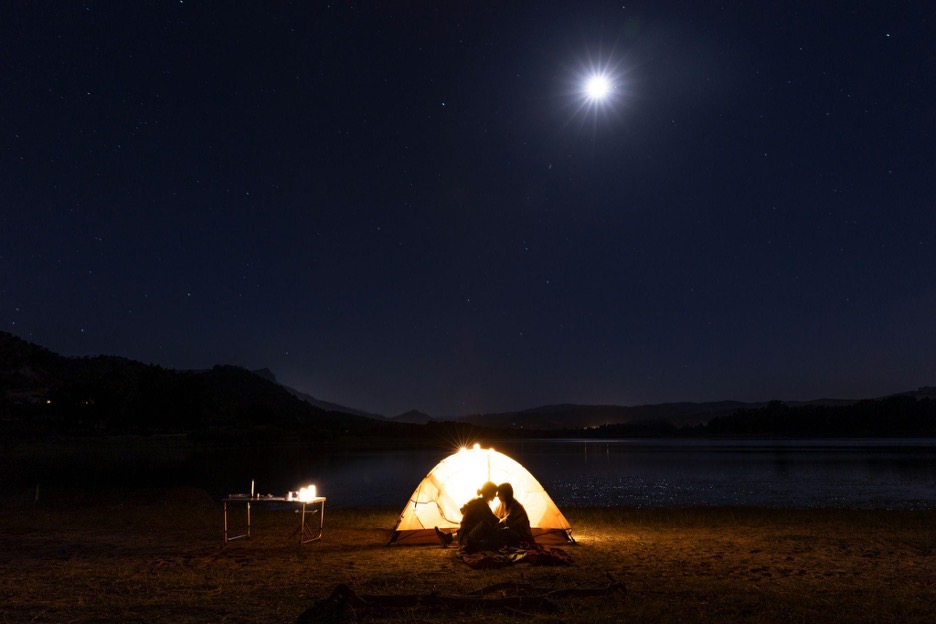
Stargazing is one of the most affordable and meaningful ways to spend a night with someone you care about. It is completely free, naturally quiet, and gives couples the opportunity to connect in a peaceful setting away from distractions. Whether you're planning something simple or looking to impress, a night under the stars offers both emotional depth and unforgettable moments.
This guide shows you how to plan a romantic stargazing date from start to finish.
Why Stargazing Is the Perfect Free Date Night
A stargazing date offers a rare combination of calm, beauty, and closeness. There is no need for expensive dinners or crowded places. Instead, you get to share an experience that invites conversation, silence, and wonder.
It is suitable for both new couples and long-term partners. It slows things down, creates space for deeper thoughts, and builds emotional trust. Best of all, it requires almost no money.
How to Plan a Stargazing Date
Choose a Dark Sky Location
The success of a stargazing date depends on how well you can see the stars. City lights and suburban glow can make it difficult to view anything in the night sky. Look for areas marked as “dark sky” zones. State parks, remote fields, quiet beaches, and countryside areas are ideal.
Use a stargazing or dark sky map to find nearby locations with minimal light pollution. Even driving 30 minutes outside the city can improve visibility.
Check the Moon Phase and Cloud Conditions
Bright moonlight can wash out fainter stars and reduce visibility. Plan your date close to the new moon, which gives the darkest skies. Also, make sure the night is expected to be clear and dry.
You can check both moon phases and cloud forecasts using free astronomy apps or weather tools.
Apps like Stellarium, SkySafari, and SkyView provide accurate star maps, moon phases, and visibility conditions. For weather, apps like Clear Outside and AccuWeather help you find cloud-free nights for better viewing.
Time It Right for Best Results
Plan to arrive at your location before the sky gets fully dark. Once you arrive, allow your eyes about 20 to 30 minutes to adjust. Avoid using bright lights or phone screens, as these reduce your night vision.
Instead, bring a red flashlight or use the red-light mode available in many stargazing apps.
What to Bring for Comfort and Connection
Create a Comfortable Setup
Bring a large blanket, reclining chairs, or a soft mat in the back of a truck bed. The goal is to stay warm and comfortable while lying down to look at the sky. Make sure the ground is flat and dry.
If the night is cool, bring extra layers or a shared blanket.
Warm Drinks and Easy Snacks
Sharing something warm adds comfort to the evening. A thermos of hot chocolate, coffee, or herbal tea works well. Bring simple snacks like grapes, trail mix, or pieces of chocolate that are easy to enjoy without creating a mess.
Avoid loud or crunchy foods that could break the mood.
Optional Tools to Elevate the Experience
You do not need a telescope to enjoy stargazing. Many people prefer to use free apps that point out constellations, planets, and visible events. Some apps have night modes to preserve your vision.
A pair of binoculars can also give you a closer look at star clusters or the moon’s surface.
Low-Volume Music for Atmosphere
Bring a portable speaker and play soft instrumental music or smooth R&B at a low volume. Keep the playlist slow and calm. The right background music helps set the mood without overpowering conversation.
How to Make Stargazing More Romantic
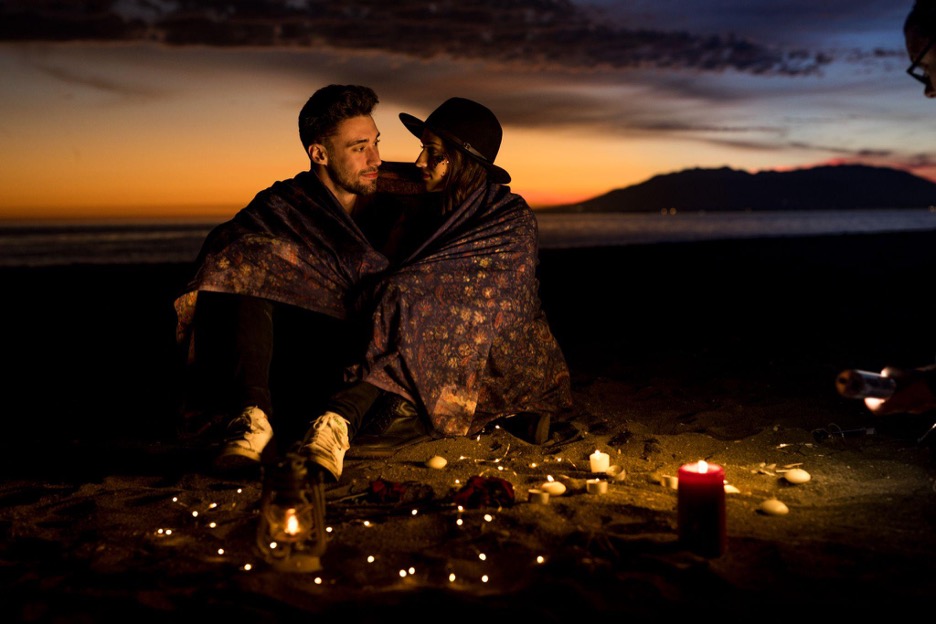
A good stargazing date goes beyond simply looking at stars. It is about building a deeper connection.
Talk about the stories behind the constellations. Many have roots in mythology or history. You can prepare a few in advance to share with your partner.
Ask each other questions about dreams, travel, the future, or past memories. The quiet setting makes it easier to speak from the heart.
Silence is also powerful. Sometimes lying side by side without speaking creates the most lasting memories.
Tips for Planning Around Seasonal or Local Events
Some of the best stargazing dates happen during special celestial events. These natural occurrences can turn a simple night out into a once-in-a-year experience.
Look Out for Meteor Showers and Planet Alignments
Annual meteor showers like the Perseids in August or the Geminids in December offer peak opportunities for skywatching. These events are free, predictable, and visible without any equipment.
Planet alignments, eclipses, and supermoons also add unique value to your night. Astronomy websites and apps often publish calendars for upcoming events.
Visit Local Observatories with Free Public Nights
Many science centers and observatories offer free or low-cost public viewing nights. These are perfect for couples who want to see planets or galaxies through telescopes without investing in gear.
Check with local universities or parks departments to find dates and sign-up requirements.
Safety, Comfort, and Accessibility Tips
Planning ahead ensures the night remains enjoyable, especially if the location is remote or unfamiliar.
Protect Against Bugs and the Cold
Mosquitoes and chilly night air can ruin the mood quickly. Always bring bug spray, even in cooler months. Pack extra jackets, scarves, or blankets depending on the season.
Avoid Dangerous Terrain or Isolated Areas
Choose a spot that is quiet but not too isolated. Parks with designated viewing areas or quiet beaches with public access are safer than unfamiliar off-road paths. Let a friend or family member know your general location and return time.
Keep Equipment Simple and Organized
Place drinks, snacks, and tools in one easy-to-reach bag or basket. Avoid using too many gadgets that require light or noise. Keeping things simple helps preserve the mood and focus.
Stargazing Date Ideas for Different Couples
Stargazing works for many kinds of couples, but you can adjust the experience based on your relationship stage, comfort level, and location.
For First-Time Dates
Keep things relaxed and low-pressure. Bring simple comforts and avoid going too remote. Choose a local park with open views but easy access. Focus on conversation, not astronomy expertise.
For Long-Term Partners
Turn the date into a ritual. Share deeper stories, make it a screen-free night, or use it as a chance to check in with each other. Bring favorite snacks or music that has personal meaning.
For Couples with Limited Mobility
Use backyards, rooftops, or the bed of a parked truck in a safe location. Many good views can be found with minimal travel if light pollution is low.
For Winter Stargazing
Dress warmly, use thermoses with hot drinks, and bring hand warmers or heated blankets. Winter skies are often clearer, and stargazing becomes more intimate when shared under cold, quiet skies.
For Urban Couples
Try rooftops, elevated parks, or public gardens with less ambient light. Use stargazing apps to identify bright objects like planets and major constellations that can still be seen in the city.
Plan Your Own Stargazing Date Night
A stargazing date does not require much planning, but a little intention turns it into a memorable experience. Choose a dark spot, bring a few comfortable items, and take time to enjoy the sky without rushing. The rest comes naturally.
Want more free, peaceful moments like this? Cut the clutter, not just in your schedule, but in your spending. Tools like Chargeback cancel forgotten subscriptions automatically, so you can spend more time under the stars and less time checking your credit card bill.
Frequently Asked Questions
What should you do on a stargazing date?
Lie back and enjoy the stars, look for constellations, share stories, and talk openly. Use a stargazing app or simply enjoy the silence together. It’s about being present, not complicated.
How do you make a stargazing date more romantic?
Set the mood with a warm blanket, soft music, and shared stories about the stars. Choose a quiet place, bring your partner’s favorite drink, and focus on thoughtful conversation or quiet closeness.
Where can you go stargazing for free?
Look for dark-sky areas like parks, beaches, or fields away from city lights. Rooftops and backyards with minimal lighting also work. Use stargazing apps to help find good viewing spots nearby.
What should you bring on a stargazing date?
Pack a blanket, red flashlight, warm drinks, snacks, and extra layers. Optional items include binoculars, a stargazing app, or a speaker with soft music. Keep it simple, comfortable, and easy to carry.
Is stargazing a good idea for a first date?
Yes. It’s calm, low-pressure, and encourages real conversation. Choose a public or easy-to-reach location and bring simple comforts. Stargazing naturally supports connection without distractions or the need for constant activity.
How long should a stargazing date last?
Plan to stay for one to two hours. This gives time for your eyes to adjust, conversation to unfold, and the atmosphere to settle. Stay longer during meteor showers or special sky events.
Can you stargaze in the city?
Yes, but visibility will be limited. Choose rooftops, open parks, or elevated spots with less light. Bright stars and planets are still visible. Use an app to help spot what’s possible to see.
Get help with your refund
"This app saved me
$127 in minutes"


.svg)
.png)


