

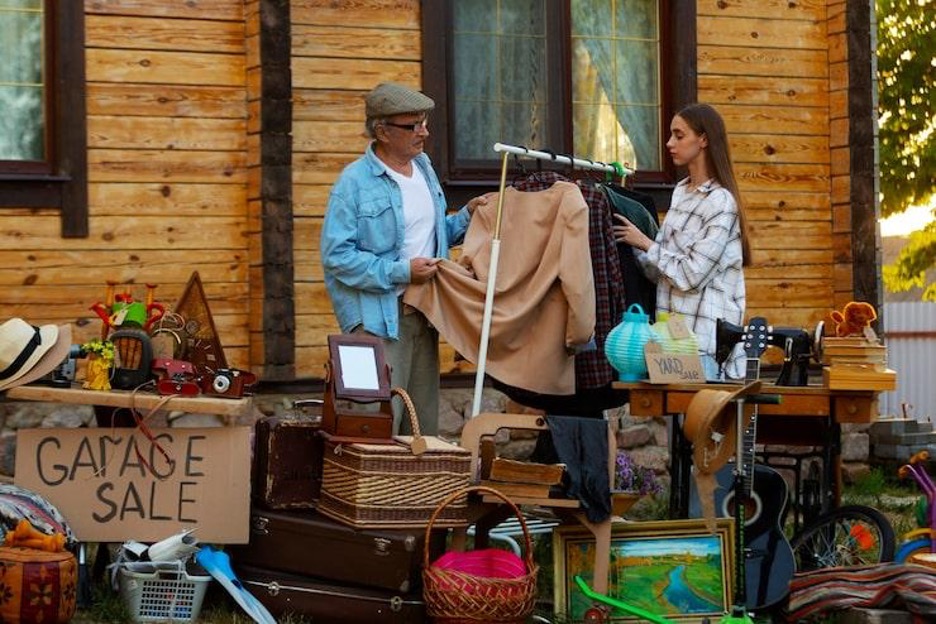
To get the best deals at flea markets, arrive with a plan, approach vendors respectfully, and use timing and negotiation to your advantage. Bring cash in small denominations, research item values before you go, dress in a low-key way, and aim to shop either early for the best selection or late in the day when prices tend to drop.
Before You Go: Smart Preparation Tips That Pay Off

Success at flea markets begins before you arrive. With the right preparation, you can avoid overpaying, skip distractions, and walk away with real bargains. Here's how to get ready.
Do Your Research Ahead of Time
Check the flea market’s website or social media page. Many vendors share previews of what they’ll be selling. Look for details like vendor maps, start times, and whether there’s an entrance fee.
If you know what types of items you’re looking for, vintage furniture, records, antiques, research their current market value. Use websites like eBay’s sold listings or price-check using tools like Google Lens. This will help you identify overpriced items and spot true deals.
Set a Budget and Bring Cash
Decide how much you’re willing to spend before you go. Having a clear budget keeps your spending in check and helps you make decisions more confidently.
Bring cash, especially small bills. Many vendors don’t take cards, and having exact amounts gives you an edge when negotiating. Offering cash on the spot often leads to quicker and lower deals.
Pack Smart
Bring a strong reusable bag, a small cart, or even a foldable wagon if you expect to buy heavier items. Many flea markets cover large areas, and it’s easy to get tired carrying purchases around.
If you’re shopping for furniture or framed art, bring a tape measure. You’ll want to confirm whether a piece fits in your space or your car before you negotiate.
Dress comfortably and in plain clothes. Vendors may price differently depending on how someone presents themselves. A modest appearance helps you blend in and avoid being marked as a high-paying tourist.
Make a Flexible Shopping List
Make a short list of what you’re hoping to find, maybe kitchenware, tools, or records. This keeps you focused and prevents impulse purchases that add up quickly.
Leave space for surprise finds. One of the best parts of flea markets is discovering things you didn’t know you needed. A flexible list gives you direction without making you blind to hidden gems.
Mastering the Art of Friendly Negotiation
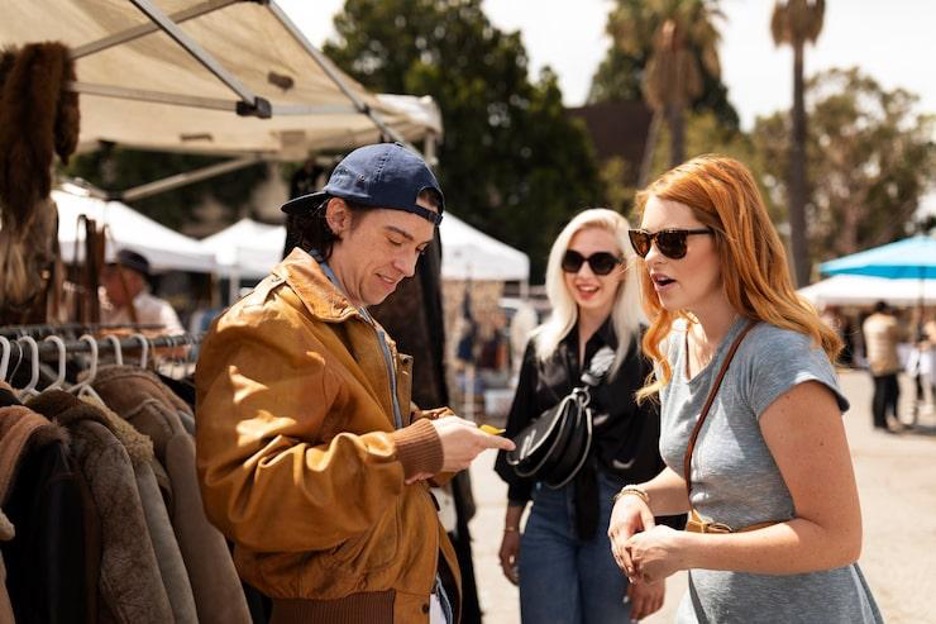
Negotiation is not only accepted at flea markets, but it’s also expected. The way you approach it, however, can mean the difference between scoring a great deal and walking away empty-handed. These strategies help you negotiate confidently while keeping the interaction respectful and effective.
Smile and Build Rapport
A genuine smile and friendly tone go a long way. Vendors are more likely to lower prices for buyers who treat them with respect. Start with a compliment or ask about the story behind an item. A quick chat can build trust and make the seller more open to giving you a better deal.
Don’t Show Too Much Eagerness
Even if you spot something you love, keep your excitement in check. Pointing or reacting too quickly tells the seller that you're already emotionally committed, which weakens your bargaining position. Stay calm, keep your tone neutral, and ask about other items too, even if your focus is fixed.
Start Low but Stay Fair
A good rule of thumb is to begin your offer 10 to 20 percent below the asking price. This shows you respect the seller’s valuation but are open to finding a middle ground. Avoid offers that are far below value; lowballing can offend vendors and end the conversation entirely.
Use Bundle Pricing to Your Advantage
If you’re eyeing more than one item, ask what the seller can do for a bundle. Many vendors are open to offering a better deal when you buy in quantity. A common approach is 10 percent off one item, 15 percent off two, and 20 percent off three or more.
Inspect Items for Flaws and Use Them
Examine the item carefully. If there are scratches, chips, or missing parts, these can become talking points in your negotiation. Mention the flaws politely, not as complaints but as reasons for a lower price. Sellers are often willing to adjust if the critique feels fair.
Use Silence and Walk-Away Power
Once you make your offer, don’t rush to fill the silence. Give the vendor a moment to think. That pause can pressure them to meet you partway. If they refuse to budge and the price doesn’t work for you, politely thank them and walk away. This shows you’re serious about your price. Often, the seller will call you back with a better offer.
Best Time to Shop for Maximum Savings
When you go can be just as important as how you shop. The time of day plays a big role in pricing, vendor mood, and what kind of deals are available.
Go Early for the Best Selection
If your goal is to find rare or high-demand items, arrive when the market opens. Early shoppers get first access to the best inventory. Vendors are fresh, displays are full, and you’ll have a better chance of spotting hidden gems before anyone else does.
Go Late for Deep Discounts
If you’re focused on saving money rather than getting first pick, consider shopping in the final hours. Vendors often lower prices to avoid packing up unsold goods. This is the best time to ask for bulk discounts or score bigger items that sellers are eager to move.
What to Buy and What to Avoid at Flea Markets
Not everything at a flea market is a good deal. Knowing what’s worth picking up and what to walk past helps you save money and avoid buyer’s remorse.
Items Worth Buying
Flea markets are ideal for finding unique, affordable, and often high-quality secondhand goods. Some of the best categories include:
- Vintage home décor: Frames, mirrors, lamps, and wall art that add character at a low cost
- Antique tools: Well-made hand tools are often available at a fraction of hardware store prices
- Solid wood furniture: Especially small tables, chairs, or cabinets with a timeless design
- Jewelry: Costume jewelry, vintage pieces, or silver items that can be cleaned and restored
Items to Avoid
Some categories carry more risk than reward:
- Electronics: Items may not work, lack warranties, or be outdated beyond repair
- Knock-off goods: Poor quality, no value retention, and sometimes legally questionable
- Fast fashion: Often overpriced compared to thrift stores and not worth haggling over
What Sells Best at Flea Markets?
If you're planning to resell or are simply curious about what others are buying, these categories move fast and often fetch reasonable prices:
- Antiques: Especially items tied to specific decades or regions
- Records and vinyl: Niche music, original pressings, or collector editions
- Handcrafted items: Pottery, textiles, artwork, or custom wooden crafts
- Collectibles: Toys, comic books, trading cards, and branded memorabilia
- Kitchenware: Cast iron pans, Pyrex, enamelware, and retro utensils
This section is a great entry point for readers interested in becoming vendors. Link out to a guide on how to start selling at flea markets for deeper exploration.
Flea Market Flipping for Beginners
Many people start side hustles flipping flea market finds for a profit. It can be rewarding with the right approach and research.
- Start small: Focus on low-cost items like vintage books, glassware, or décor
- Know your resale value: Use eBay sold listings to check current market demand
- Test before scaling: Begin with a few pieces, photograph them well, and list them online
- Track profits and learn: Not every flip will be a win, but each one teaches you the market
Is It Okay to Haggle at Flea Markets?
Yes. In most flea markets, haggling is normal and even encouraged. Vendors expect it and price accordingly.
Approach the conversation with politeness and respect. A calm, friendly tone combined with a fair offer leads to better results than aggressive or dismissive behavior. Always thank the vendor, even if your offer is declined.
Top Tools and Apps to Bring Along
Your smartphone can help you shop smarter when paired with a few useful tools:
- eBay mobile app: Search for sold listings to quickly check market value
- Google Lens: Take a photo of an item and compare prices across the web
- Notes app or calculator: Keep a running list of what you’ve bought and how much you've spent
These tools help you confirm a good deal and avoid overpaying on impulse.
Frequently Asked Questions
What sells most at a flea market?
Popular items include antiques, vintage furniture, home décor, vinyl records, collectibles, and handcrafted goods. These items tend to attract buyers due to their uniqueness, nostalgic appeal, and potential for resale value or decorative use.
Where do flea market vendors get their merchandise?
Vendors typically source inventory from estate sales, storage auctions, wholesale liquidators, thrift shops, and personal collections. Many also buy in bulk from clearance sales or online marketplaces to find items with strong resale potential.
How do you haggle at a flea market?
Begin with a respectful tone and friendly conversation. Offer 10–20% below the asking price and be prepared to negotiate. Bundling multiple items and pointing out flaws can also strengthen your position during the deal.
How do you get a spot at a flea market?
Reach out to the market’s organizers through their website or social channels. Check for available dates, booth rental costs, and any setup rules. Submit an application or reservation request to secure your vendor space.
Get help with your refund
"This app saved me
$127 in minutes"


.svg)
.png)


