

Living full-time on a boat can cost anywhere from $1,000 to over $4,000 per month, depending on your lifestyle, the size and type of your boat, and whether you anchor out or stay in a marina. Annual costs range from $12,000 on the low end to more than $50,000 for those living more comfortably or maintaining larger vessels.
The cost is not fixed; it depends on choices like your mooring style, how often you travel, whether you hire help for repairs, and the region you live in. A solo sailor anchoring off-grid will spend far less than a couple living in a city marina with a 40-foot yacht. To plan properly, it's important to understand the typical cost brackets and the specific expenses you will need to account for.
Monthly Cost Breakdown by Lifestyle
Low-Cost Lifestyle: $1,000 to $2,000 Per Month
This is a minimalist, hands-on lifestyle. It involves anchoring out instead of staying in marinas, doing your own maintenance, and keeping comforts basic.
- Small older boat (under 30 feet)
- Anchoring with minimal mooring or marina fees
- DIY maintenance and basic repairs
- Limited fuel use
- Simple provisioning and home cooking
Example: A solo boater on a 26-foot sailboat, anchoring most of the time, cooking aboard, using mobile internet, and handling basic repairs may spend around $1,000 to $1,500 per month.
Mid-Range Lifestyle: $2,000 to $3,500 Per Month
This bracket includes a mix of convenience and affordability. It allows for occasional marina stays, modest upgrades, and limited professional help.
- Mid-size boat (30 to 40 feet)
- Mix of anchoring and marina slips
- Some paid maintenance services
- Comfortable provisioning and internet
- Occasional dining out or entertainment
Example: A couple living aboard a 36-foot boat who spend time in marinas during bad weather, pay for help with major repairs, and maintain a moderate lifestyle might fall within this range.
Higher-End Lifestyle: $3,500 to $5,000+ Per Month
This lifestyle includes full-time marina living, luxury features, travel, and convenience-based spending. It is ideal for families or boaters seeking a high-comfort experience.
- Larger boats (40 feet or more, often catamarans or yachts)
- Full-time slip in urban marinas
- Regularly outsourced maintenance and cleaning
- Frequent upgrades, high-end internet, and dining out
- Travel and guest hosting
Example: A family living in a marina in California with a 45-foot catamaran, using shore power, eating out regularly, and managing school and work aboard can expect monthly costs to exceed $4,000.
Key Monthly Expenses and Cost Breakdown
| Expense Category | Typical Range | Description |
| Dockage or Mooring | $0 (anchoring) to $1,500+ | Depends on the region and the marina; anchoring can be free |
| Maintenance and Repairs | $100 to $1,500 | Parts, labor, and annual servicing vary by boat size and age |
| Fuel and Engine Costs | $50 to $250 | Sailing reduces fuel use, while powerboats and motoring increase it |
| Insurance | $60 to $300 | Required for marina stays and long-distance travel |
| Groceries and Provisions | $300 to $800 | Varies by location and diet; provisioning at ports helps |
| Utilities | $50 to $200 | Electricity, propane, water; often included in slip fees |
| Communication | $50 to $150 | Phone and mobile internet access for remote work |
| Upgrades and Equipment | $100 to $1,000+ | Optional but common; includes solar, electronics, sails |
| Sewage and Waste | $20 to $80 | Pump-outs or disposal fees, depending on the marina or location |
| Lifestyle and Leisure | $100 to $500 | Dining out, activities, marina services, events |
Maintenance Costs: What to Expect Each Year
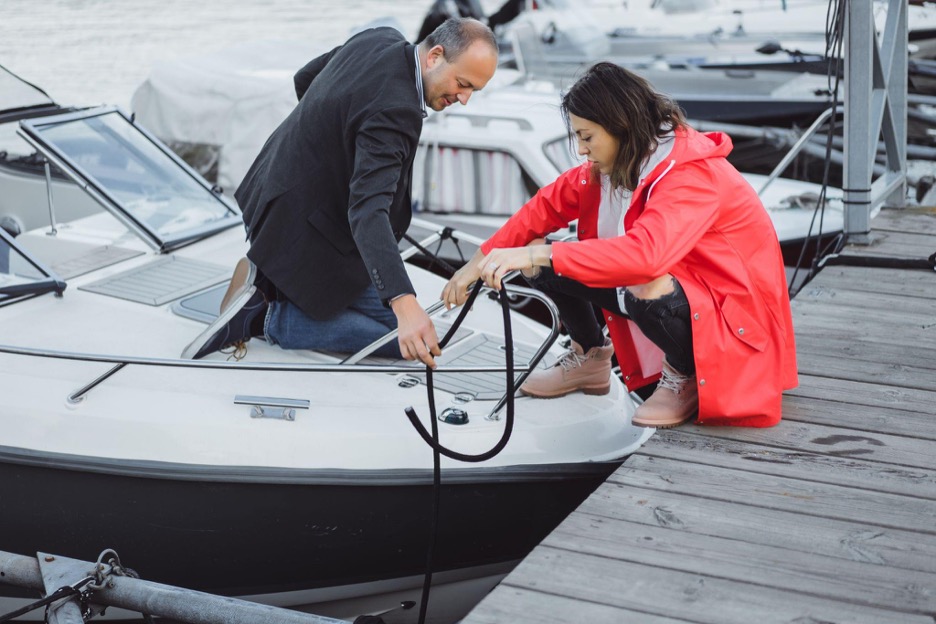
One of the most overlooked aspects of boat life is the cost of keeping your vessel in working condition. A common guideline is to budget between 10 and 30 percent of your boat’s current value per year for maintenance. This includes mechanical servicing, sail repairs, hull cleaning, and emergency work.
For example:
- A $50,000 boat might require $5,000 to $15,000 annually in upkeep
- Costs increase with older boats or complex systems
- Doing maintenance yourself can reduce costs significantly
Regular cleaning, waxing, canvas care, zinc replacements, and oil changes are all part of routine maintenance. Skipping these will likely lead to more expensive repairs later.
How to Create Your Personalized Liveaboard Budget
Start with two main categories:
- Boat Costs: Purchase, registration, maintenance, fuel, insurance, mooring
- Provisioning and Living: Food, phone/internet, electricity, water, entertainment, waste, repairs
Add a safety buffer of 15 to 20 percent for unexpected issues like weather damage, gear failure, or haul-outs.
Use a spreadsheet or budgeting app to track monthly spending for at least 6 months. This will reveal trends, overspending categories, and areas to adjust.
How to Build a Personalized Liveaboard Budget
Creating a realistic budget begins by understanding both the fixed and flexible costs of your situation. These will vary depending on your boat type, your location, your cruising style, and your comfort level.
Start by separating your expenses into two categories:
Boat-related costs
- Purchase or financing
- Insurance
- Fuel
- Routine and emergency maintenance
- Registration and mooring fees
Living-related costs
- Groceries and supplies
- Utilities (electricity, propane, water)
- Communication (mobile internet, phone)
- Entertainment and leisure
- Health and safety (first aid kits, medications)
- Emergency savings for repairs or travel
Track these categories monthly and be honest about where you might overspend. Add a cushion of 15–20% above your planned budget to cover unexpected costs. Most experienced cruisers agree that flexibility in planning is key.
What Unexpected Costs Catch New Boaters Off Guard?
While many first-time liveaboards focus on the obvious costs, like slip fees or groceries, there are several expenses that often surprise new boaters:
- Haul-outs and repairs: Boats need periodic servicing, especially for the hull and engine. These can cost thousands at once.
- Mooring waitlists: In popular locations, marina space can be hard to find, and transient slips may be more expensive.
- Insurance changes: Coverage can increase in storm zones or after submitting a claim.
- Cruising permits or clearance fees: For those crossing international waters, there may be entry fees, paperwork, or required agents.
- Seasonal equipment: Winterizing, air conditioning, dehumidifiers, and other gear may be needed based on your climate.
Planning ahead for these types of costs helps reduce the risk of financial stress while living abroad.
What Expenses Can You Avoid or Minimize?
Many expenses of boat life are within your control. With thoughtful planning, you can reduce your monthly burn rate without sacrificing safety or comfort:
- Anchor instead of docking: Anchoring is often free and avoids daily or monthly slip fees.
- Sail instead of motor: Minimizing fuel use can cut one of the more variable costs.
- Do your own maintenance: Learning basic repair skills can save hundreds or thousands per year.
- Provision at local markets: Buying food and supplies from coastal towns is often cheaper than from marina stores.
- Limit travel during peak seasons: Off-season fees for marinas and permits are often lower.
Adjusting your habits gradually can lead to long-term savings.
Pro tip: Want to cut subscription costs while living off-grid or on the water? Tools like Chargeback automatically detect and cancel unused subscriptions, from old streaming apps to forgotten trials, even while you’re cruising.
Do You Have to Pay Taxes If You Live on a Boat?
Whether or not you pay taxes depends on how and where you live abroad.
- Property taxes: If you keep your boat in a marina long-term, you may be charged property tax on the slip or on your mooring rights.
- Liveaboard permits: Some marinas or local governments require a permit or additional fee to live aboard full-time.
- State residency: Where you claim residency can affect your tax obligations, including income taxes and boat registration fees.
Always check local laws if you plan to stay in one place for long periods. Tax treatment varies by city, state, and harbor authority.
Can You Live on a Boat in Winter?
Yes, you can live on a boat through the winter, but it takes preparation and the right equipment.
Here’s what you’ll need:
- Insulation: Foam insulation or thermal curtains to retain heat
- Shrink wrap or cockpit enclosures: Keep out wind and snow
- Electric or diesel heaters: For interior warmth
- Dehumidifiers: To prevent moisture buildup and mold
- Winter gear: Thermal clothing, boots, and blankets
If your boat is docked at a marina with power and water access, it’s easier to stay comfortable. In colder climates, you may also need to winterize parts of your plumbing system.
What’s the Best Boat Type for Full-Time Living?
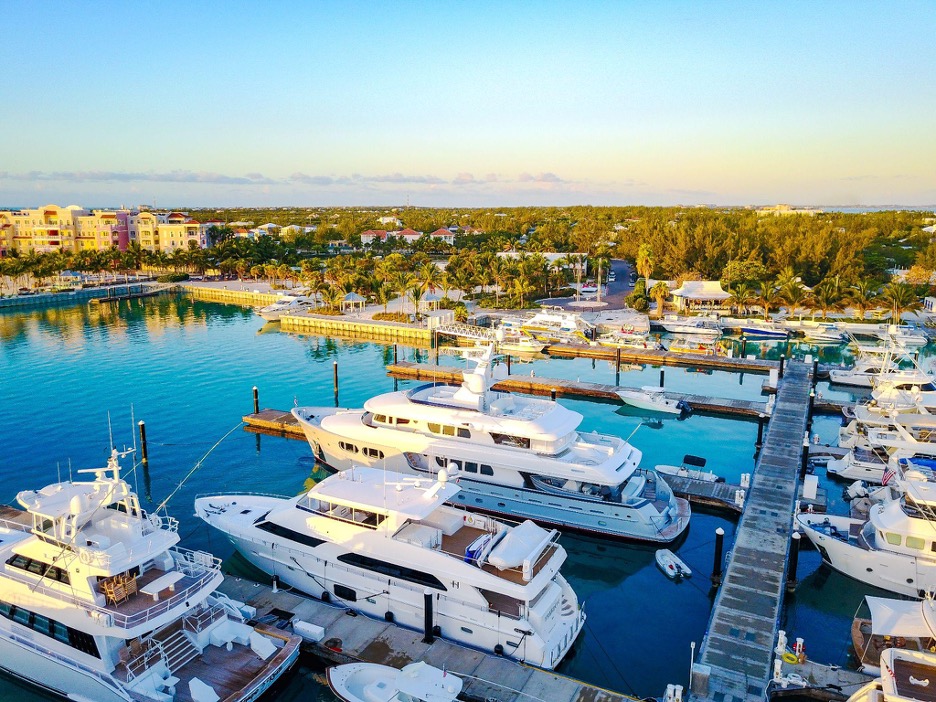
The ideal boat depends on your budget, lifestyle, and intended cruising grounds. Here are common options:
Sailboats (Monohull)
- Affordable
- Easier to find parts and service
- More compact living spaces
Catamarans
- More interior space
- Stable, great for families or remote work
- Higher maintenance and docking costs
Powerboats
- Spacious above deck
- Easier handling for some
- Higher fuel consumption
Look for boats between 30 and 45 feet for solo travelers or couples. Ensure good ventilation, adequate storage, and a seaworthy design. Prioritize condition and safety over cosmetic upgrades.
Ready to Start Living on the Water?
Understanding the true cost of living on a boat full-time is the first step toward a lifestyle that offers freedom, simplicity, and adventure. Whether your budget is tight or flexible, planning ahead will help you avoid surprises and stay afloat financially.
If you're ready to make the leap or still weighing your options, begin by mapping your budget, researching marinas, and learning key maintenance skills. Boat life isn’t always cheaper, but it can be more rewarding if managed well.
Frequently Asked Questions
Is it cheaper to live on a boat than in a house?
Living on a boat can be cheaper than owning a house if you anchor out and minimize luxuries, but marina fees and maintenance costs can easily rival or exceed traditional housing expenses.
What’s the most expensive part of living on a boat?
The most costly aspects are ongoing maintenance and marina slip fees. These expenses increase with boat size, location, and whether you rely on professional services instead of doing repairs yourself.
Do I need special insurance to live on a boat?
Yes, standard boat insurance is not enough. Most marinas require liveaboard-specific coverage, which considers full-time occupancy, onboard assets, and extended cruising or regional risks.
Can I work online while living on a boat?
Yes, many liveaboards work remotely using mobile data, satellite hotspots, or marina Wi-Fi. A strong power supply and stable internet connection are essential for uninterrupted remote work onboard.
Can I live on a boat with a family?
Yes, many families successfully live on boats. You’ll need a larger vessel, efficient space planning, safety measures for children, and solutions for schooling and daily routines aboard.
Get help with your refund
"This app saved me
$127 in minutes"


.svg)
.png)